
The Little Forge shares practical, down-to-earth guidance on traditional blacksmithing and metalcraft for readers across the UK.
- 0123456789
- Angle Bd Abdelmoumen & rue soumaya, Résidence
- [email protected]
The Little Forge shares practical, down-to-earth guidance on traditional blacksmithing and metalcraft for readers across the UK.
 By Eleanor Whitfield
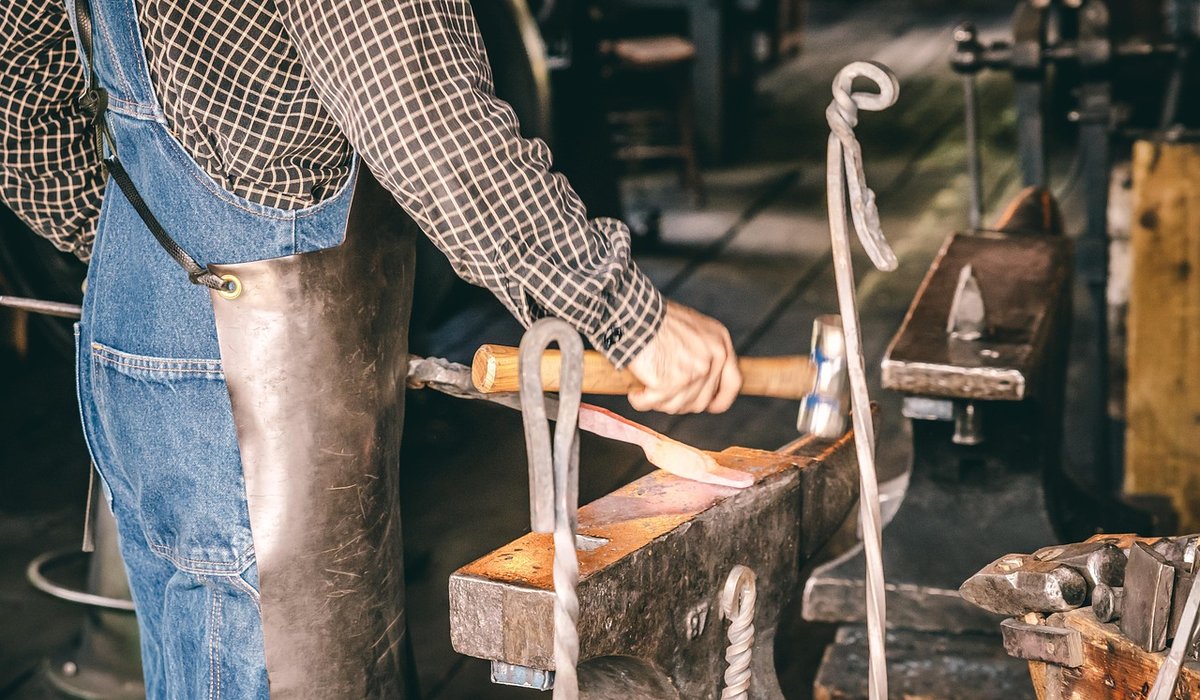
A forge fire is a controlled thing, but it is still an open fire burning at well over a thousand degrees, and it deserves respect from the moment you set up. Solid fuel gives off carbon monoxide, which is odourless and lethal, so never work in a sealed space. Forge outdoors where you can, or in a workshop with the doors open and cross-ventilation, and fit a carbon monoxide alarm regardless. Clear at least three metres around the hearth of anything flammable — rags, timber, oil cans, gas cylinders, sacks of fuel.
Stand on a non-flammable surface such as concrete or packed earth, ideally with a steel hearth tray beneath the forge to catch sparks and hot scale. Your kit matters too: a leather apron, gauntlets, safety glasses over your eyes at all times, stout boots, and natural fibres rather than synthetics, which melt onto skin. Keep a bucket of water and a dry powder extinguisher within arm's reach, plus a quench tank for hot metal. Tie long hair back and never lean over the firepot to peer down the blast.
Most UK smiths run a coke or bituminous coal fire, though charcoal has plenty of fans for smaller work. The fuels behave quite differently, and knowing which you have makes the rest of the session far easier.
Break coal lumps down to roughly walnut size, about 25 to 40 millimetres. Oversized lumps smother the blast, while dust chokes it and sends sparks flying. Dampen green coal lightly with a sprinkle of water to slow the coking and lay the dust. Keep a modest pile of prepared fuel on the hearth, near enough to reach with a shovel but well clear of the fire itself.
Air enters through the tuyere at the bottom of the firepot, so the fire must sit above it, never buried under a flat bed of fuel. Start with a couple of handfuls of coke or charcoal over the tuyere, then build a ring of green coal around the rim, leaving the centre open. The shape you want is a mound with a hollow cave facing you, where the work goes. The cave walls glow as hot coke; the outer ring cokes slowly and feeds the middle as it burns down. A broad, flattened fire wastes fuel and never gets properly hot.
Light from the top of the heap, not from underneath. A few sheets of twisted paper and a handful of dry kindling under a cap of coke works well, or a gas torch aimed at the coke itself if you want to skip the smoke. Once flame takes, bring the blast on gently. A trickle of air is right; full blast at this stage scatters embers across the workshop and blows your kindling apart. As the coke glows red, rake more fuel in from the outside and let the fire build steadily. Expect smoke from green coal — that is the volatiles leaving — so stand out of it and keep your head clear.
A working forge fire tells you everything by colour. The heart should be bright yellow-white, surrounded by orange coke, with dark green coal at the rim. Keep that cave shaped as the session goes on: rake coked fuel into the middle as it burns away and add green coal to the outside to replace it.
When you step away to the anvil, shut the blast down to a whisper. A forge left roaring hollows itself out in minutes.
For a short break, pile coke over the firepot, cut the air completely, and sprinkle a little water around the outside. Half an hour later a gentle blast will bring it back to life. At the end of a session, stop the blast and either let the fire die down naturally or drown it properly: water in stages, stir, wait, more water, stir again, then check. Coke can stay hot for many hours, so never walk away with the blast running and never leave a damped fire unattended. Sweep the hearth, clear the clinker, and check the area again the following morning — cold-looking ash hides live embers surprisingly well.


We are not gonna make spamming
