
The Little Forge shares practical, down-to-earth guidance on traditional blacksmithing and metalcraft for readers across the UK.
- 0123456789
- Angle Bd Abdelmoumen & rue soumaya, Résidence
- [email protected]
The Little Forge shares practical, down-to-earth guidance on traditional blacksmithing and metalcraft for readers across the UK.
 By James Hartley
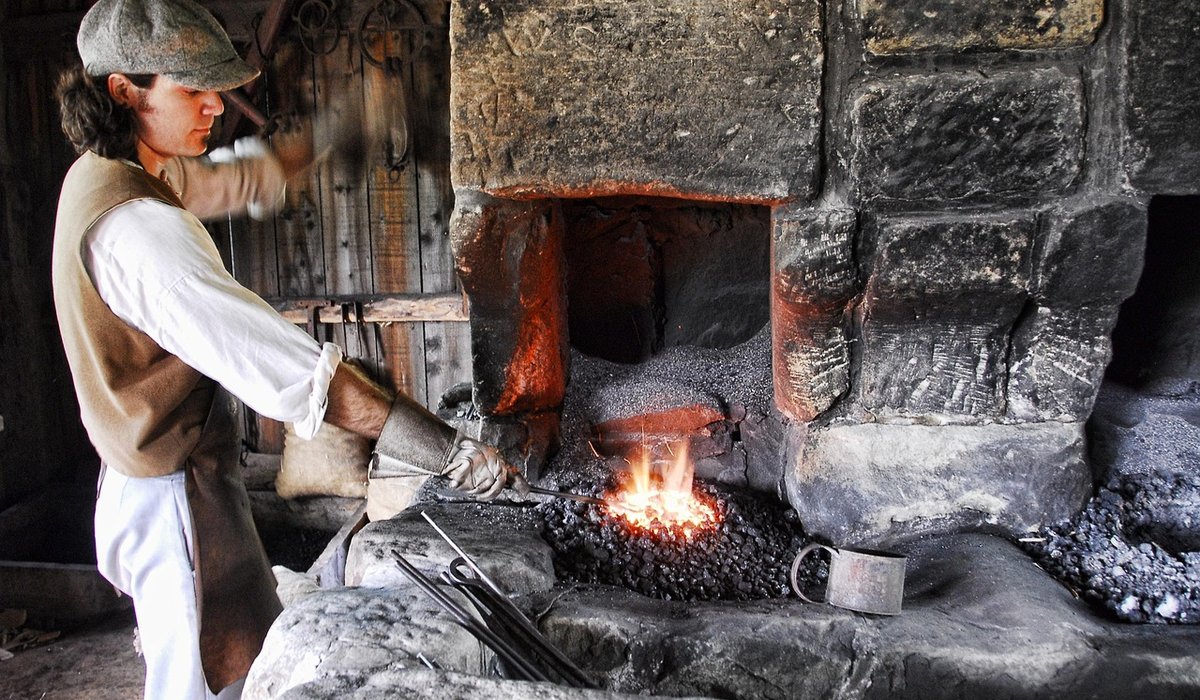
A forge is the heart of a small metalworking shop. It decides how quickly you can start work, how much space you need, what your fuel bill looks like, and how much ventilation you must install. Gas and solid fuel forges both do the same job — they bring steel to a working heat — but they ask very different things of you. The right choice depends less on tradition than on your workshop, your neighbours, and the kind of work you enjoy.
Gas forges usually run on propane or butane, delivered through a venturi burner or a forced-air burner. A well-insulated forge with a ceramic fibre lining and firebrick floor can reach forging heat in five to ten minutes. You control the temperature with a regulator or needle valve, so you can return to the same heat again and again. There is no ash, no clinker, and no coal dust. That makes gas attractive in a small garage or shed, especially if you share the space with woodwork or bike maintenance.
The trade-off is fuel cost and ventilation. A single-burner forge can use a surprising amount of gas in a long session — a 13 kg cylinder may not last as long as you hope. Gas also produces carbon monoxide if combustion is incomplete, so you need a carbon monoxide alarm and a reliable supply of fresh air. An overhead hood or a high-level extractor helps, but do not rely on a slightly open door alone.
Solid fuel means coke, coal, or charcoal burned in a firepot with air from a tuyere. Coke is the common choice in the UK because it burns hot and produces less smoke than bituminous coal, though it still makes ash and clinker. Charcoal is clean and responsive but burns quickly and costs more per hour. Coal gives that classic smithy smell and a reducing fire that is excellent for forge welding, but it smokes on start-up and leaves sulphur and ash behind.
Solid fuel forges demand attention. You manage the fire by raking, adding fuel, and adjusting the blast. Heat control is less about a dial and more about reading the fire and the steel. That hands-on quality is exactly what many smiths love. It also makes solid fuel superb for traditional joinery, pattern-welding, and heavy work where you want a deep, localised heat. In return, you must deal with smoke, sparks, ash, and fuel storage.
Gas gives you repeatable temperatures and a clean flame, which suits blade work, small scrolls, and any job where you want to stop and start without losing the fire. Tune it slightly rich and you can create a reducing atmosphere for welding. Solid fuel gives you a wider, more organic heat. You can build a deep fire for welding or a small clean fire for delicate work, but you must watch the steel closely to avoid burning it.
Think about your local rules, too. Many UK towns and cities are smoke control areas, where burning bituminous coal is restricted. Coke, smokeless fuel, and charcoal are usually allowed, but check with your local council before you buy a coal forge. Gas avoids that particular problem, but it brings its own ventilation requirements.
Ventilation is not optional for either forge. Gas forges need fresh air at low level and a way for exhaust gases to leave at high level. Fit a carbon monoxide alarm, test it regularly, and never work in a sealed garage. Solid fuel forges need a proper flue or chimney with good draw, plus a spark arrestor if the roof is anywhere near. Smoke and carbon monoxide are both serious risks, and a headache or drowsiness is a warning sign to stop and get fresh air.
If you want quick, clean, predictable heat and you can manage gas safely, a gas forge is a superb small-workshop choice. If you love the ritual of the fire, want lower fuel costs, and can install a chimney, solid fuel will reward you. Many smiths eventually own both: gas for fast, tidy jobs and solid fuel for the deep, traditional work. Start with the forge that fits your ventilation, your fuel supply, and the way you like to work. You can always add the other later.


We are not gonna make spamming
